Wondering what daily life in Windham, NH really feels like? You might be picturing quiet streets, larger lots, and weekend time on the water, but also asking how schools, commutes, and everyday errands fit together. This guide gives you a clear, practical view of neighborhoods, housing, schools, and daily living so you can decide if Windham matches your priorities. Let’s dive in.
Windham at a glance
Windham sits in southeastern New Hampshire and is part of the Greater Manchester–Boston commuter region. It blends suburban neighborhoods with rural roads and preserved open space. Many buyers come for a quieter lifestyle, access to regional job centers, and a strong connection to outdoor recreation. Housing tends to be priced above New Hampshire medians, which reflects demand for space and proximity to Manchester, Nashua, and, for some, the Boston metro.
Neighborhoods and housing
Windham’s housing leans toward single-family homes in low-density settings. You will find a mix of older homes near town areas, newer subdivisions, rural parcels, and lakefront pockets.
Suburban subdivisions
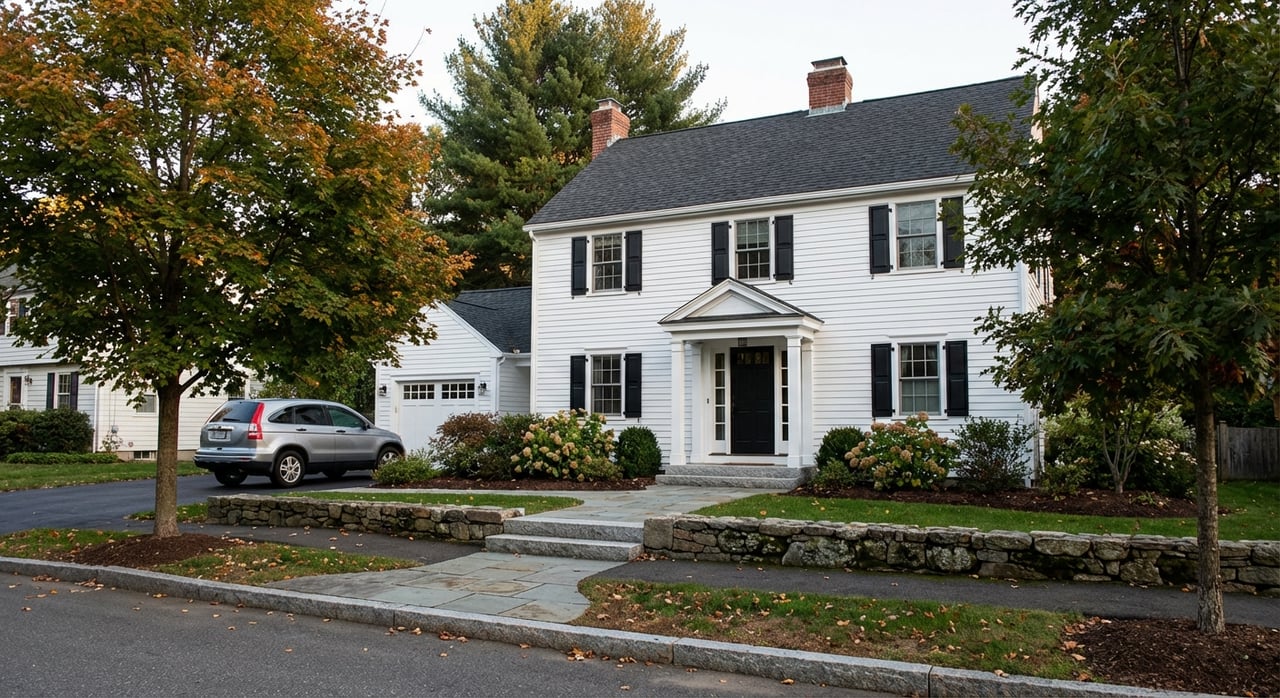
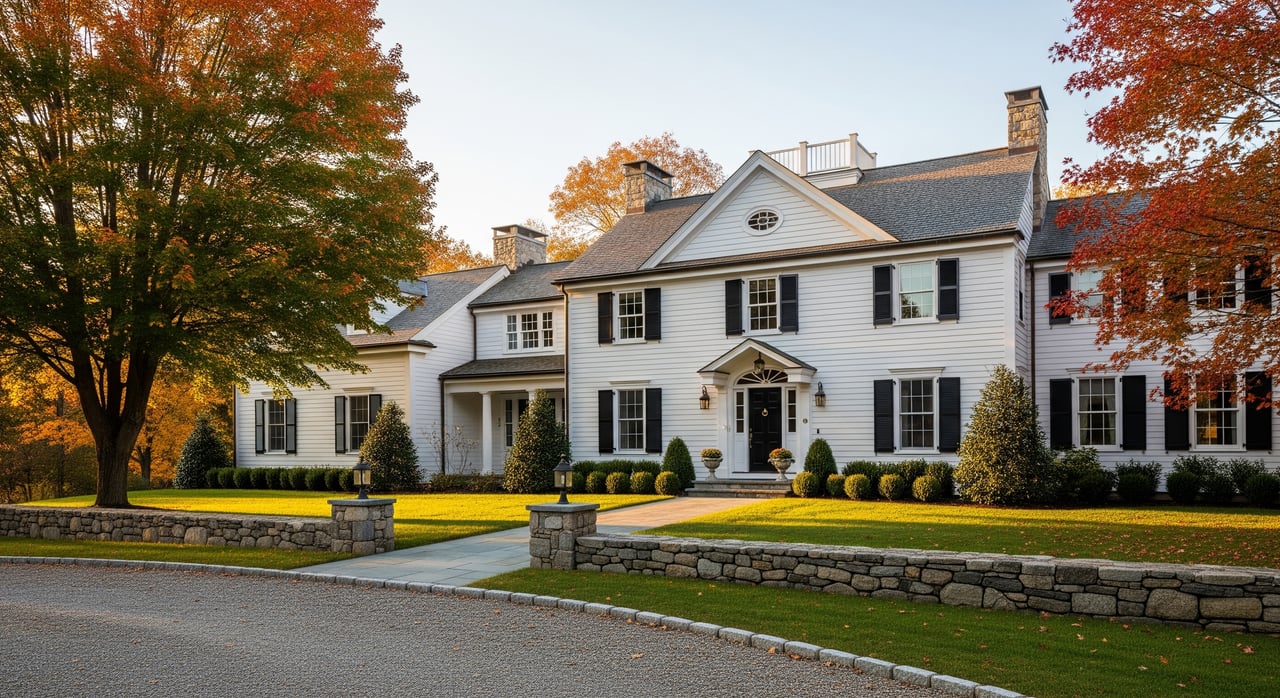
Post-1970s neighborhoods weave through cul-de-sacs and local streets. Colonial and neo-colonial styles are common, often with attached garages and open floor plans. Many areas have larger minimum lot sizes, which helps preserve a spacious feel. These subdivisions attract buyers who want predictable layouts and neighborhood cohesion.
Historic and village areas
Closer to town buildings and community spaces, you may see older homes on smaller lots. Styles can include Cape Cods and ranches among the older inventory. Living near the center makes it easier to reach municipal services and community events. If you like character homes and a traditional New England setting, start your search here.
Rural and wooded parcels
On winding roads away from the center, properties tend to sit on larger, wooded lots. Zoning often favors low density, which limits infill and keeps the rural feel intact. This setup suits buyers who want extra space and privacy. Be ready to evaluate well and septic systems where municipal utilities are not available.
Lakeside living
Residential pockets near Cobbetts Pond and other water bodies offer seasonal and year-round homes. Water access supports boating, fishing, and summer swimming. If you want to live near the water, confirm local rules on docks, boat storage, and seasonal use. Expect pricing to reflect the appeal of waterfront or water-adjacent living.
Condos and townhomes
Windham has fewer multifamily options than larger towns. You can find occasional condo or townhouse developments, but supply is limited compared with single-family homes. If a lower-maintenance property or entry-level pricing is your priority, you may need a wider search area. A local plan can include neighboring towns with more multifamily inventory.
What to know about lots and zoning
- Many neighborhoods have larger minimum lot sizes that reduce density.
- Conservation land and open-space tracts are common and help preserve natural areas.
- These policies shape neighborhood character and limit the number of new multifamily developments.
If you are comparing properties, confirm the zoning district, any conservation restrictions, and potential limitations on additions or accessory structures.
Schools and education options
Public schools in Windham
Windham operates its own K–12 public school system that serves elementary, middle, and high school students. Families often cite the local public schools as a key reason to move to town. Exact program offerings, boundary lines, and busing policies can change. For a specific address, plan to review district-provided maps, program lists, and performance reports.
Alternative and nearby options
Private and parochial schools are available in the broader region, including Manchester, Nashua, and Salem. Some students may access regional vocational, technical, or charter programs based on district agreements. For continuing education and cultural events, colleges and universities in Manchester, Nashua, and the greater Boston area are within commuting range.
What to verify before you buy
- School boundary lines and enrollment rules for your exact address.
- Program availability for your child’s needs, such as advanced coursework, arts, athletics, or special education.
- Transportation options, including bus routes and after-school care.
Daily life and amenities
Commuting and transportation
Windham is largely car-dependent. Most residents drive to work, school, shopping, and services. From many parts of town, drives to Manchester or Nashua can range from about 20 to 40 minutes depending on traffic. Boston commutes vary widely and can be 45 to 90 minutes or more, depending on your destination and peak-hour conditions.
Direct public transit in Windham is limited. Commuter rail and regional bus services operate in neighboring communities. If you plan to use transit, map your nearest park-and-ride, rail station, or express bus option and test the schedule during your typical travel times.
Shopping, dining, and services
Windham has small retail clusters with grocery, restaurants, and everyday services. For a larger variety of shopping or big-box stores, you will likely head to nearby towns. Dining is mostly family restaurants, cafés, and neighborhood spots. For broader nightlife or specialty cuisine, look to larger cities in the region.
Healthcare and utilities
Primary care and urgent care clinics are available in the region, with hospitals and specialty care in nearby cities such as Manchester and Nashua. Utilities vary by neighborhood. Some pockets have municipal water or sewer, while others rely on private well and septic. Broadband availability has expanded in suburban New Hampshire but differs by route and provider, so verify internet options for any home you consider.
Outdoor recreation and seasons
Windham embraces outdoor life across all four seasons. Local water bodies, including Cobbetts Pond, support boating, fishing, and swimming in warmer months. Trails, town forests, and conservation areas offer hiking and biking. Organized youth sports, town parks, and recreation programs run year-round. Seasonal maintenance like snow removal and winter heating management is part of everyday life.
Community and events
Community life often revolves around town happenings, seasonal festivals, farmers’ markets, and school events. The pace is more small-town than urban. If you enjoy connecting through local activities, you will find a steady calendar, especially during peak seasons.
Cost of living, taxes, and practicalities
New Hampshire does not levy a general state income tax on wages or a general sales tax. Property taxes are the primary recurring tax for homeowners. In Windham, the property tax burden, including the school portion, should be confirmed with the town assessor and the latest tax rate reports.
Homeownership costs to plan for include heating and utilities, homeowners insurance, association fees where applicable, and maintenance for well and septic if those systems serve your property. If you are new to New England winters, factor in fuel planning for oil or propane and consider backup power for storm seasons.
Windham is generally perceived as a safe community with lower crime rates than urban centers. If safety is a top priority, review local police reports and neighborhood-level data for a current view.
Is Windham a fit for your goals?
Use this quick checklist to match your needs with what Windham offers.
- Commute: Test your route to Manchester, Nashua, or Boston during peak hours. If you want transit, locate the nearest rail or express bus in a neighboring town.
- Schools: Request district school profiles, boundary maps, and program lists for your child’s grade level. Visit schools when possible.
- Budget and taxes: Ask for recent tax rates and request the property’s tax history. Align total monthly costs with your budget.
- Utilities: Confirm water, sewer, well, and septic details for the property. Obtain recent inspections and water test results where applicable.
- Broadband: Verify providers and speeds at the exact address. Remote work often depends on reliable connectivity.
- Neighborhood feel: Drive the area at rush hour and evenings to gauge noise, traffic, and general activity. Talk with neighbors and local experts.
Planning ahead for value and lifestyle
Zoning that favors lower density helps preserve Windham’s suburban and rural character. It can also limit new housing supply, which affects availability and pricing. Keep an eye on municipal planning board agendas for updates on roadway changes, new commercial or residential proposals, and any potential school facility updates. These changes can shape both convenience and long-term value.
How a local agent helps
If you are moving from within New England or relocating from farther away, a step-by-step plan saves time and stress. A local agent can align your commute, school needs, and lifestyle preferences with neighborhoods that fit. You get practical support with pricing, offer strategy, inspections, and coordination from contract to close. When you are ready to compare options, tour homes, and confirm the right address, reach out for a local, responsive guide.
Ready to explore Windham and nearby southern New Hampshire communities with a clear plan? Connect with Sandra LoPilato to schedule a Seacoast market consultation and move forward with confidence.
FAQs
What is the commute from Windham to Boston like?
- Many commuters drive, with travel that can range from about 45 to 90 minutes or more depending on traffic and destination; transit options are in neighboring towns.
What types of homes are common in Windham, NH?
- Single-family homes dominate, especially colonial and neo-colonial styles in subdivisions, plus older Cape Cods and ranches, rural parcels, and lakeside properties.
How are public schools structured in Windham, NH?
- Windham operates a town K–12 public system; confirm boundary lines, programs, and busing with the district for the most current information.
Does Windham have public transit access in town?
- Direct public transit is limited; most residents drive and use regional rail or bus services available in nearby communities.
What costs should first-time buyers plan for in Windham?
- Budget for property taxes, heating and utilities, homeowners insurance, possible HOA fees, and maintenance for well and septic where applicable, plus broadband needs.